We at NIF ISPAT, implement an ascetic quality control system, which is customer oriented and is continuously improved.
70+
YEARS OF EXPERIENCE
500+
PROJECTS COMPLETED
100+
HAPPY CLIENTS
We at NIF ISPAT, implement an ascetic quality control system, which is customer oriented and is continuously improved.
To accomplish our targets, we follow the policy of constantly motivating and developing the competent human resources to cope with the variable customer requirements. In addition, we try to attain higher productivity level together with improved quality performance to achieve maximum customer satisfaction
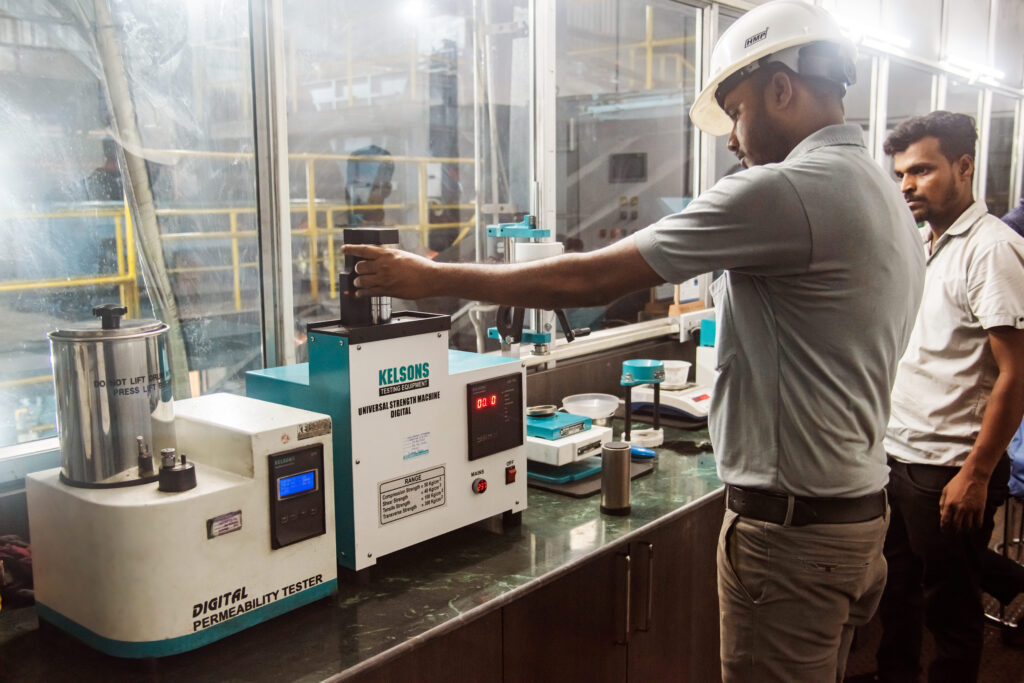
Our highly qualified engineers and a state-of-the-art R&D unit ensure that our products are of the superior quality. The produced goods undergo a complete physical testing including Casting’s Hardness, Load Testing, Load Tensile, Transverse and Chemical Analysis to meet the requirements of the globally accepted quality standards.
100%
COMPLIANCE RATE
0
SAFETY INCIDENTS
24/7
MONITORING
25+
COUNTRIES
ISO CERTIFIED
Our facilities maintain the highest international standards with comprehensive certifications ensuring quality, safety, and environmental compliance.
ISO 9001:2015
Quality Management
ISO 14001:2015
Environmental
ISO 45001:2018
Safety
Our Quality Mantra
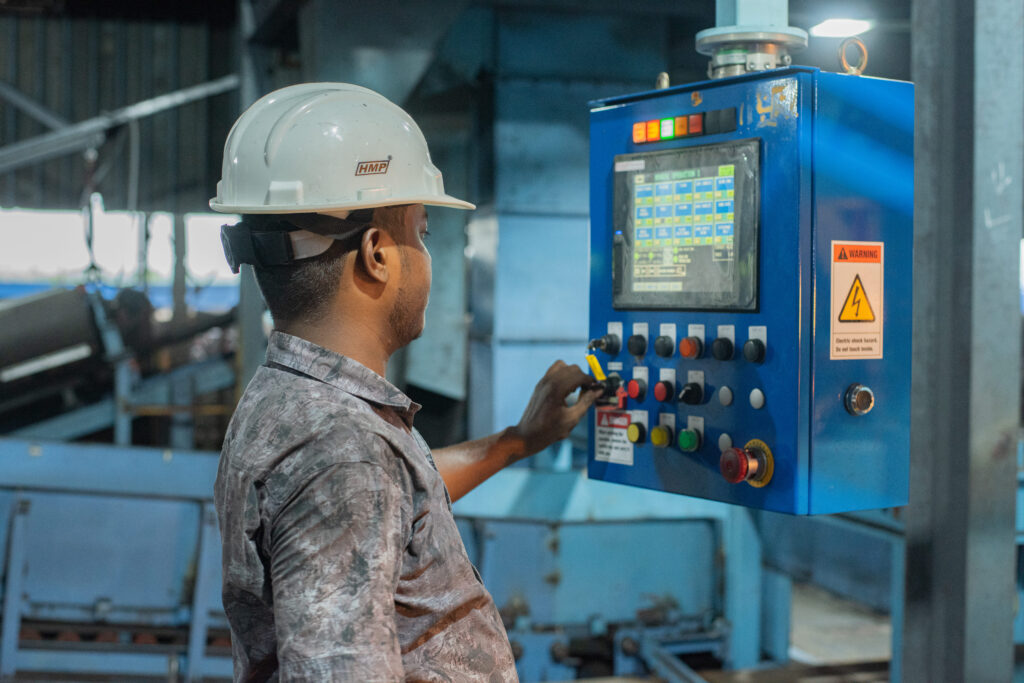
Leveraging cutting-edge automation, IoT sensors, and AI-driven analytics to optimize production efficiency, reduce waste, and ensure consistent quality across all manufacturing processes.
Trials Procedure
Where new patterns are involved or where designs have been improved, the component has to undergo a pre-production trials procedure. Few samples is cast and monitored through the various stages of production. Emphasis is placed on exceeding product specification and on ease of manufacture. The philosophy is that a product that is easy to make will generally be of better quality than a component which creates manufacturing problems.
Our products are audited and certified by renowned certification bodies such as BSI Kitemark, Kiwa & Dedal.
Process Control
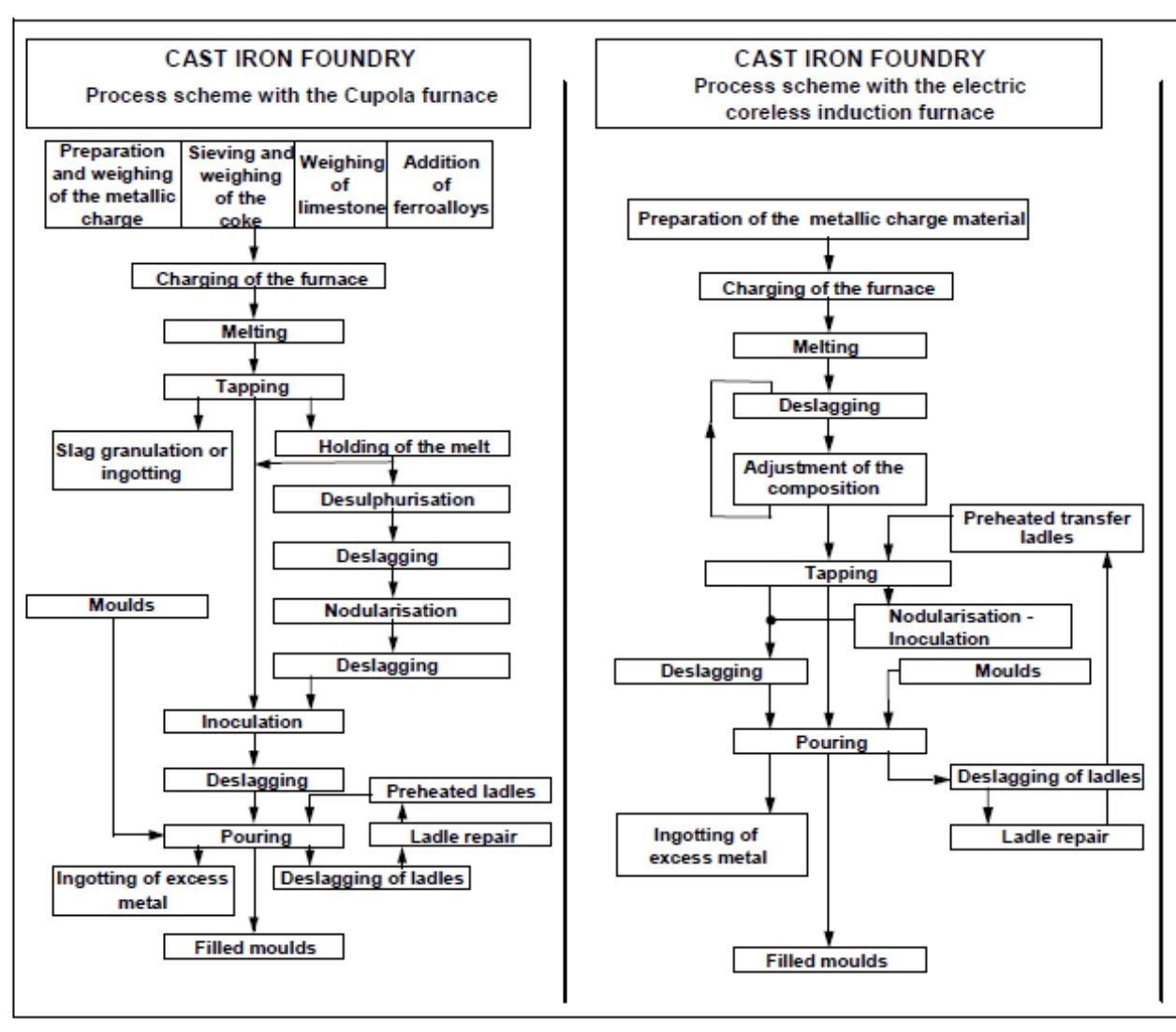
Quality control starts with checks on raw materials and is then applied throughout the manufacturing cycle. To ensure this there is an in-house quality assurance manual which sets out all the disciplines that go to make a casting with emphasis on quality assurance at every stage.
Material Analysis
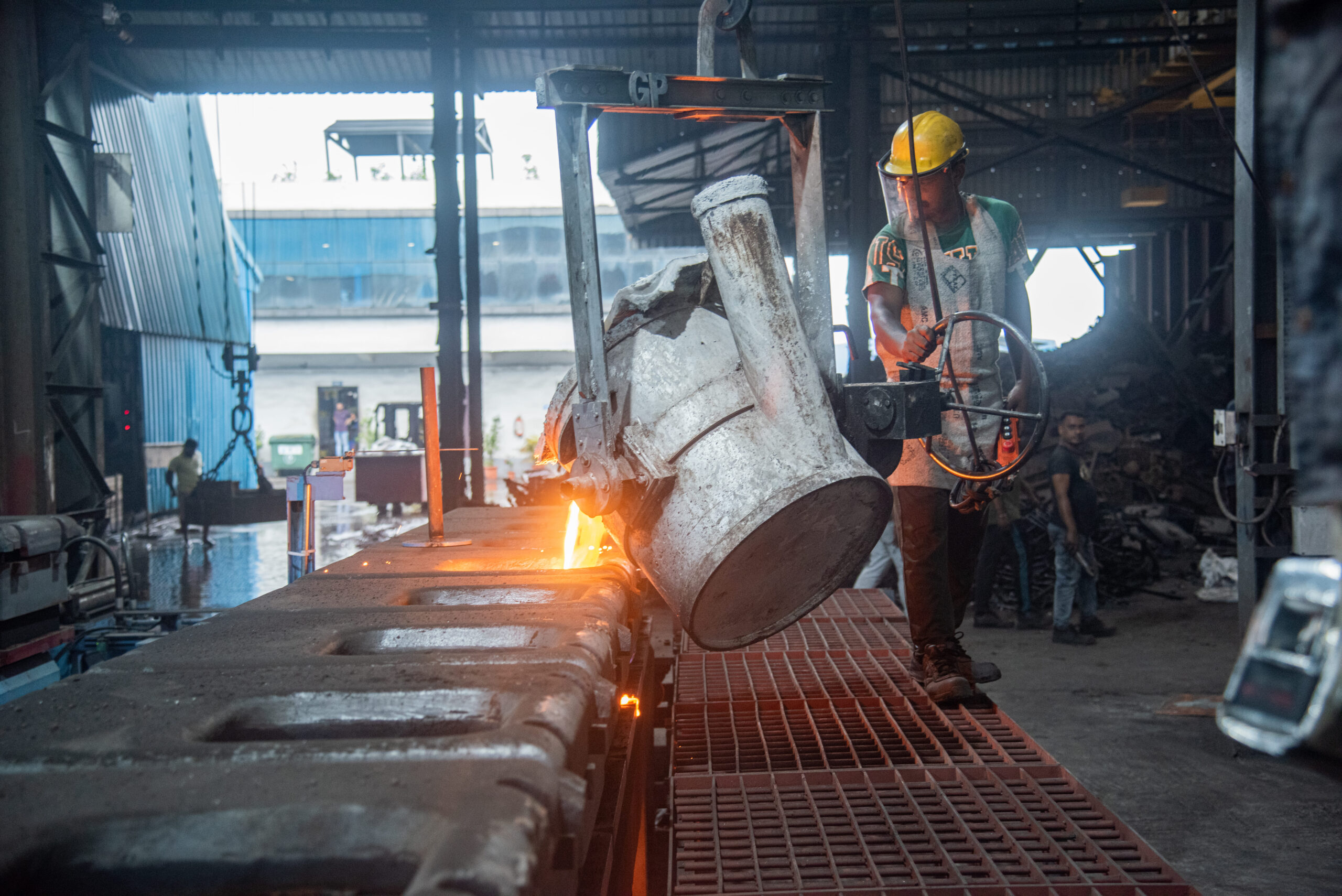
A sample of every melt of metal produced is analysed in laboratory before molten metal is poured. This gives an instant and permanent record of the chemical analysis of every casting produced from a melt. Traceability is maintained by the issuing of a unique number to every casting produced from any melt. Pyrometer is used at the pouring stage to ensure heat temperature along with Spectro and Micro analysis of each melt.
Visual Analysis
A team of inspectors check and report on castings at every stage of manufacture. In the case of machined and heat treated items this involves four separate visual and dimensional checks on surface finish and adherence to drawing tolerances
Testing
To check physical properties universal testing machine is used. A wide range of equipment is used including Brinell testing machine and load test machine. Also a variety of special equipment is available on site for testing particular items. For instance hydro-pressure testing equipment, pull & tilt test machine etc.
INSPECTION
It is an important activity and item is inspected at each stage during production depending on the procedure adopted right from the raw material.
Raw material, Sand, Chemicals, Additives, Paint, Scrap.
Raw material, Sand, Chemicals, Additives, Paint, Scrap.
Visual inspection | Chemical analysis | Radiation check | Checking of Material Test Certificate of the Producer
Pouring temperature and rate | Physical testing by UTS for tensile and Brinell Hardness for hardness | Chemical testing by Spectrometer and Wet Lab
Finish Item
Finish Item
Fitment | Visual including Paint | Weight
Packing- Despatch
Packing- Despatch
Radiation & Fumigation (in case of wooden pallets)
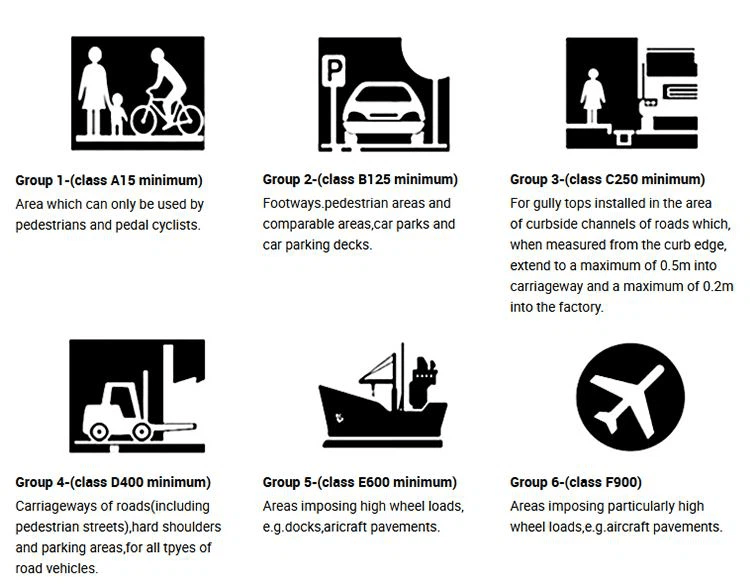
We make Products as per the following Specifications:-
1. EN-124-2 2. ASTM-A-48 Class 20B to 35B ( AASHTO M306 ) 3. DIN 1691 GG 20 to GG 30 4. AS T150- T400 5. SANS 6. ASTM- A536 60-40-18 to 80-60-03/06 7. DIN 1693 GGG 40 to GGG 60 8. EN 1563 EN-GJS-450-10 to EN-GJS-600-3 9. SG400/17 to SG600/7 10. FG220 to FG350
We believe in providing complete customer satisfaction through our range of quality products
Safety
At NIF Ispat, safety is a core pillar of our operational philosophy. We maintain a zero-compromise approach to workplace safety, implementing stringent protocols, regular training sessions, and compliance with national and international safety standards. From advanced fire-fighting systems and protective gear to continuous monitoring of occupational hazards, every effort is made to ensure the well-being of our employees, contractors, and visitors. Our proactive safety culture empowers every team member to take ownership of a secure working environment, reinforcing our commitment to responsible and sustainable manufacturing.
NIF Ispat is committed to an operating philosophy based on openness in communication, integrity in serving our customers, fairness and concern for our employees and responsibility to the communities within which we operate.
NIF Ispat, is committed to ensure a healthy and safe environment by minimizing adverse effects of our activities and efficient use and conservation of resources . NIF Ispat, is committed to continual improvement of the QMS, EMS & OHS and to comply with all applicable Statutory Rules & Regulations. The policy is propagated, understood by all persons working on or behalf of the organization and the policy is available to public.